Gas is one of the most useful energy sources in an Australian home, powering cooktops, hot water systems, heaters, and barbecues. It is also one of the most hazardous if handled incorrectly. Gas work in NSW is tightly regulated, and for good reason. Leaks can cause fires, explosions, and carbon monoxide poisoning, all of which have caused deaths in Australian homes.
This guide covers what work requires a licensed gas fitter, the signs of a gas leak, and what to do if you ever suspect a problem in your home.
Why Gas Work Must Be Done By a Licenced Gas Fitter
In NSW, gas fitting work is regulated under the Gas Supply Act and the Plumbing Code of Australia. It is illegal for an unlicenced person to carry out gas work, and it is also illegal for a licenced plumber to perform gas work unless they hold a specific gas fitting licence on top of their plumbing licence.
This is not red tape for its own sake. Gas work done incorrectly can result in:
- Gas leaks that accumulate to explosive concentrations
- Carbon monoxide poisoning from appliances that do not combust cleanly
- House fires from ignition of leaked gas
- Voided home insurance if a claim relates to unlicenced gas work
- Personal liability if someone is injured
Always ask your plumber whether they hold a current gas fitting licence before any gas work is carried out. In NSW, licences are issued by NSW Fair Trading and can be verified on their website.
What Requires a Licenced Gas Fitter
Many homeowners are surprised by how much gas work is regulated. The following all require a licenced gas fitter:
- Connecting a gas appliance to a gas outlet for the first time
- Moving or extending a gas line
- Installing a new gas outlet or bayonet fitting
- Replacing a gas hot water system, heater, or cooktop
- Any work on the gas meter or supply riser
- Installing or testing a gas BBQ connection point
- Pressure testing gas pipework
What a homeowner can do without a licence is limited to reconnecting a flexible hose on a freestanding cooker to an existing bayonet outlet, provided no other gas work is involved. Even this carries risk if the hose is old or the connection is not made correctly.
Common Gas Appliances in Hills District Homes
Across Castle Hill, Baulkham Hills, and the wider Hills District, gas is used for:
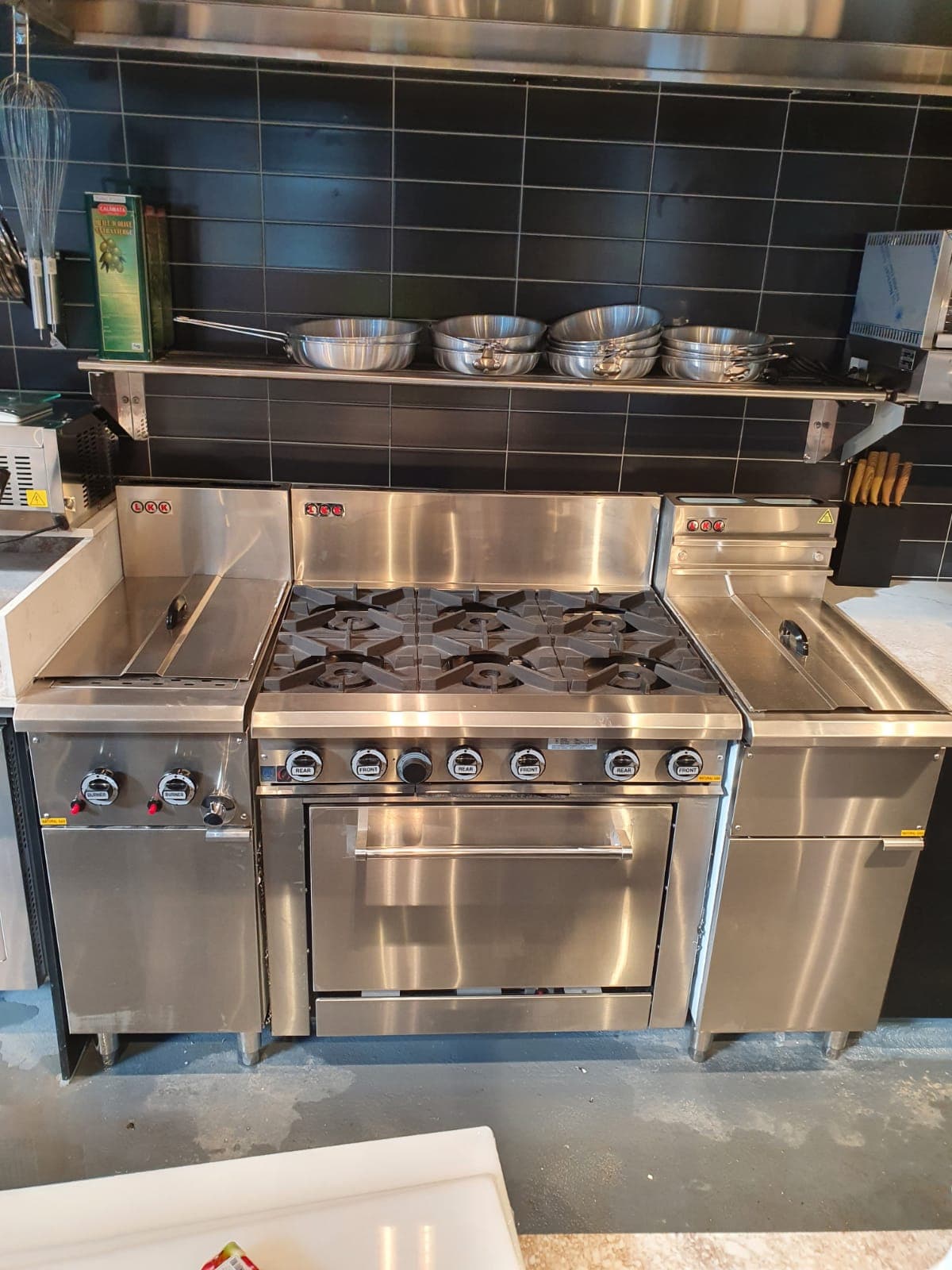
- Gas cooktops and ovens: The most common gas appliances in Sydney homes. Installation requires connecting to an existing gas line and verifying pressure and combustion.
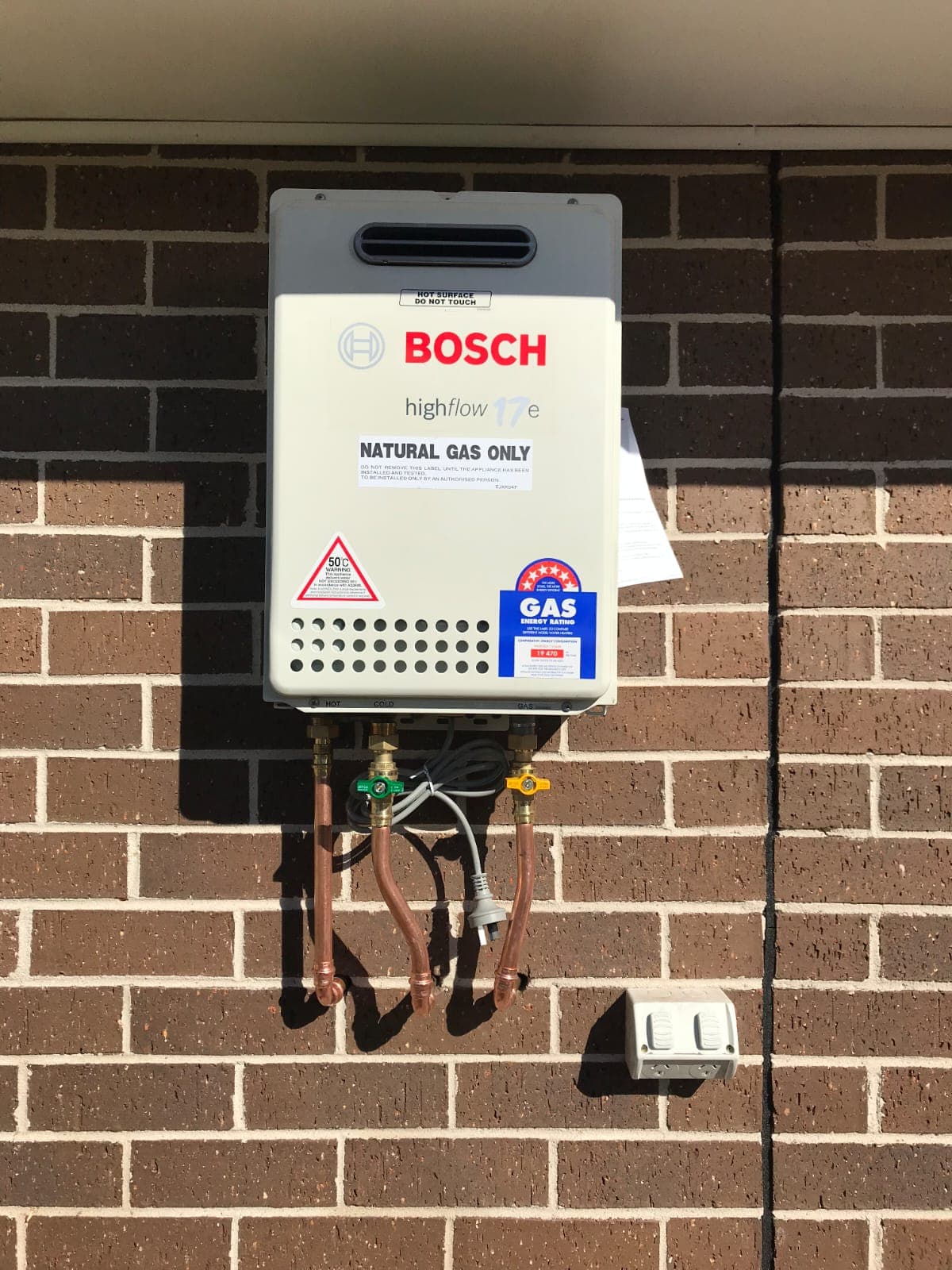
- Continuous flow hot water: Brands like Rinnai, Bosch, and Rheem all require a gas connection with correct pressure and flue arrangements.
- Gas ducted heating: Popular in Hills District homes, these systems require correct sizing, burner adjustment, and annual servicing.
- Gas log fires: Decorative but functional, these require a gas line connection and compliance certification.
- Outdoor BBQ connections: A permanent gas point on a deck or alfresco area must be installed by a licensed gas fitter.
Signs of a Gas Leak
Natural gas is odourless in its natural state, but gas suppliers add a chemical called mercaptan to give it that distinctive rotten egg smell. This makes leaks detectable by smell in most cases. However, small slow leaks in enclosed spaces can build up dangerously before the smell becomes noticeable.
Know the full range of signs:
- Smell: A sulphur or rotten egg odour, even faint, near an appliance or gas line.
- Hissing sound: A hissing or whistling sound near a gas pipe, appliance, or meter.
- Dead or dying plants: A patch of garden that is inexplicably dying can indicate an underground gas line leak below it.
- Bubbles in wet ground: After rain, bubbling in the soil near a gas line indicates escaping gas.
- Physical symptoms: Headaches, dizziness, nausea, or difficulty breathing inside the home can indicate carbon monoxide from an incomplete gas combustion, which is odourless and can be deadly.
- Pilot lights that keep going out: Repeated pilot outages on gas appliances can indicate pressure fluctuations caused by a leak elsewhere in the system.
What to Do If You Suspect a Gas Leak
Follow these steps precisely:
- Do not turn any electrical switches on or off. The spark from a light switch can ignite gas.
- Do not use your mobile phone inside the building.
- Do not light any flames or smoke.
- Open all windows and doors on your way out to ventilate the space.
- Evacuate everyone, including pets, and move well away from the building.
- From outside, call the national gas emergency line: 1800 GAS GAS (1800 427 427). This is free and operates 24 hours a day.
- Do not re-enter until the gas network operator or a licenced gas fitter clears the building.
Compliance Certificates and Gas Safety
After any gas installation or repair work in NSW, your licenced gas fitter must issue a Certificate of Compliance for Gas Fitting Work (CCGFW). This document records what work was done, confirms it was completed by a licensed tradesperson, and is required by your insurer if a gas-related claim is ever made.
If you have had gas work done and were not given a compliance certificate, that is a red flag. Keep certificates with your property documents.
Annual Gas Appliance Servicing
Gas appliances should be serviced by a licenced gas fitter at least every two years, and ducted gas heating systems annually before the winter season. Servicing checks burner efficiency, gas pressure, combustion quality, flue condition, and safety device function. An appliance that appears to work fine can still be producing carbon monoxide if combustion is not complete.
Aqua First Plumbing's team holds current gas fitting licences and carries gas detection equipment on every service vehicle. We cover Castle Hill, Bella Vista, Kellyville, Ryde, Chatswood, and surrounding areas across Sydney.
Call us on 0412 441 244 for gas fitting, gas appliance installation, or if you have any concerns about gas safety in your home. Visit our gas fitting services page for more information.